Amidst the automotive industry’s shift toward lightweighting, sustainability, and high efficiency, a technology known as In-Mold Coating (IMC)—a direct coating process that integrates injection molding with polyurethane coating via an advanced two-shot molding technique—is redefining the future of automotive interior and exterior coatings.
Originally developed by automakers to address surface defects in Sheet Molding Compound (SMC) materials, In-Mold Coating technology has since evolved and matured. This integrated process not only offers significant advantages in cost reduction and efficiency for automotive manufacturing but also achieves major breakthroughs in design flexibility and environmental compliance.
Seamless Integration of Injection Molding and Coating
The direct coating process specifically addresses the need for high integration and seamless design in automotive interior components. Essentially an advanced two-shot molding process, it cleverly combines standard injection molding with Reaction Injection Molding (RIM) within a single mold.
The process involves two key steps: first, polycarbonate or a polycarbonate blend is injected into the mold to form the base substrate; subsequently, a reactive polyurethane coating system (based on polyols and isocyanates) is used to overmold the thermoplastic component in a second cavity. The polyurethane cures instantly within the mold, resulting in a finished component with a smooth surface finish free from “orange peel” defects.
This integrated process completely breaks the traditional “mold-then-coat” paradigm, streamlining a multi-step workflow into a single stage – “single-shot molding plus simultaneous coating” thereby fundamentally resolving the inefficiencies and high costs associated with traditional multi-step operations.
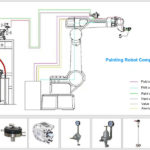
Traditional automotive painting lines require an investment of multi millions USD and involve 8 to 10 steps – including injection molding, sanding, degreasing, primer application, leveling, topcoat application, curing, and inspection – with labor costs accounting for over 30% of the total. In contrast, In-Mold Coating technology consolidates all these steps into one, eliminating the need for a dedicated paint line and drastically simplifying the production process. Take automotive dashboards as an example: while traditional manufacturing processes require 40–60 minutes per unit, In-Mold Coating (IMC) technology reduces this time to just 5-10 minutes. This boosts production efficiency by six to eight times, significantly increasing capacity utilization and lowering the fixed cost allocation per unit.
Regarding material efficiency, traditional spray coating processes utilize only 40%–60% of the coating material. In contrast, IMC technology – through precise control of the mold cavity to achieve a material utilization rate exceeding 95%, virtually eliminating waste and reducing coating consumption by 50%–70%. Furthermore, the technology results in near-zero Volatile Organic Compound (VOC) emissions, perfectly aligning with the EU’s stringent 2026 environmental standards and avoiding the massive costs associated with upgrading traditional processes to meet these regulations.
Design Freedom and Superior Environmental Performance
By eliminating the constraints associated with sprayability, IMC technology offers unprecedented freedom in automotive design. Designers can boldly experiment with complex geometries—such as bumpers featuring concave diamond-cut facets or interior components with intricate 3D surface structures.
Additionally, the technology supports laser-based customization, enabling the seamless integration of logos and designs without compromising surface integrity. When combined with self-healing coating technology, it enhances both product durability and aesthetics, delivering a fresh visual and tactile experience for consumers.
As global environmental awareness grows, the coating industry faces increasingly rigorous regulatory demands. Nations are implementing stricter VOC emission standards, requiring traditional processes to undergo costly upgrades—often running into the tens of millions—to achieve compliance. IMC technology, however, offers a near-zero VOC solution that addresses environmental challenges at the source, strongly supporting the automotive industry’s pursuit of sustainable development. Moreover, adopting IMC technology significantly lowers scrap rates, optimizes inventory turnover, and streamlines the supply chain, creating a win-win scenario for both economic and environmental performance.
In addition to traditional in-mold coating technology, newer variants have emerged, such as powder in-mold coating (PMIC), in-mold labeling (IML), and in-mold three-dimensional transfer (IMT). While the specific workflows for these technologies may vary depending on materials, equipment, and process parameters, they all share the core principle of integrating molding and coating processes within a single mold to achieve efficient and environmentally friendly surface treatment.