In-depth Analysis of Automotive Plastic parts Pre-treatment Mechanism

In-depth Analysis of Automotive Plastic parts Pre-treatment Mechanism

Tutorial
Due to its obvious advantages such as low price, light weight and good flexibility, the proportion of plastic components used in automobiles has increased greatly. The coating of automotive exterior plastic parts has higher and higher requirements in appearance and performance. Plastic parts have their own characteristics, small surface polarity and poor adhesion to the coating. How to do a good job in the pre-treatment of plastic coating is the key to the entire plastic coating. Degreasing 1.1 Overview of degreasing Automobile plastic parts are basically injection molded, a layer of release agent is applied in the injection mold. The release agent is generally a fatty acid grease, which will partially remain on the plastic surface. Degreasing of plastic parts is to remove the release agent and dust or dirt…
Read More
Soft Skin-feel UV Coating Application Guidance

Soft Skin-feel UV Coating Application Guidance

Tutorial
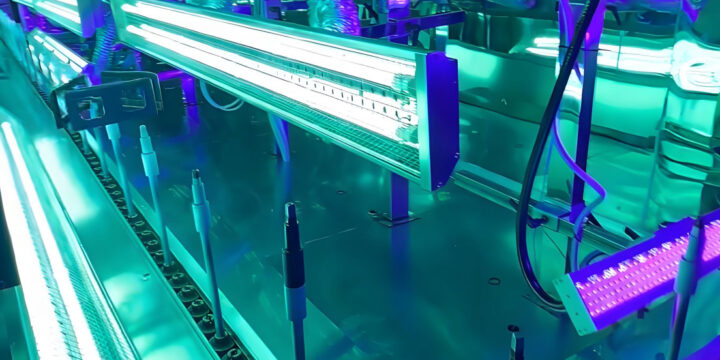
Soft kin-feel UV coating is a special type of UV resin, which is mainly designed to simulate the touch and visual effects of human skin. It's fingerprint resistance and remain clean for a long time, strong and durable. Furthermore, there's no discoloration, no color difference, and resistant to sunlight. Skin-feel UV curing technology is a surface treatment process based on ultraviolet radiation curing. Through the synergistic effect of special light sources (such as excimer UV lamps or UVLED) and formulated resins, the coating can be quickly cured and the surface can be given a delicate and smooth skin-feel effect. Here are some of the main features and applications of skin-feel UV resin: Touch: Skin-feel UV resin can provide a delicate, smooth and elastic feeling similar to human skin. Visual effect:…
Read More
Laptop Cover Refurbishing Tutorial

Laptop Cover Refurbishing Tutorial

Tutorial
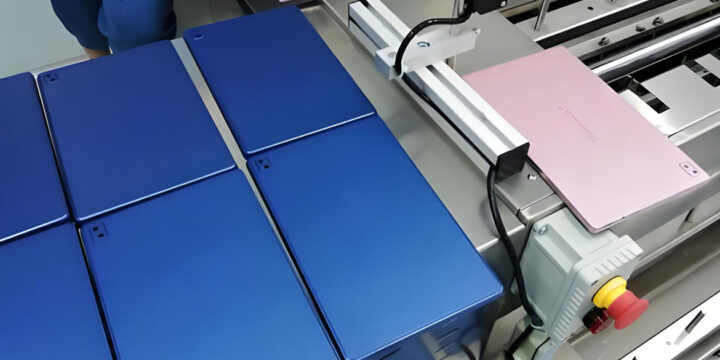
[vc_row][vc_column][vc_column_text] Laptop cover refurbishing is a huge market in the world. Not only because of its competitive price, but also a great support to recycle damaged PC and reduce electric wastes. In this tutorial we will provide step by step guidance how to remake a laptop panel to its original condition. Before we start anything, we need to prepare some necessary tools which we will use in the process like the following: Abrasive paper(800-1200 mesh), cotton cloth, cleaning agent, paint, face mask, tape & gloves Pre-treatment The first step is to clean up the panel to make sure it's dust and grease free so we can move to the next step with no problem. In order to make the panel clean enough we need to use a cloth with cleaning…
Read More
Principle of Paint Film Salt Spray Test

Principle of Paint Film Salt Spray Test

Tutorial
What is salt spray test? Salt spray test is an accelerated corrosion resistance evaluation method that artificially simulates atmospheric salt environment. It is generally used to evaluate, screen and compare materials (surface film layer) or surface treatment processes. Through salt spray test, the areas and parts of potential problems from product can be determined, the deficiencies in quality control can be found, and design defects can be found. Salt spray test is to atomize a certain concentration of salt water then spray it in a closed constant temperature chamber. The corrosion resistance of the tested sample is reflected by observing the changes after the tested sample is placed in the chamber for a period of time. Comparing to the natural environment, salt concentration of chloride in the salt spray environment…
Read More
Heating Methods of Paint Curing Furnace

Heating Methods of Paint Curing Furnace

Tutorial
For paint shop construction, curing furnace is a key unit. Paint film quality has a very important relationship with the temperature in curing furnace. The furnace heating methods are generally in two ways - hot air circulation & infrared radiation. Hot air circulation is also available as direct heating and indirect heating. Direct heating method There are two types of heat sources used for direct heating, electric heater and gas heater method. The advantages of direct electric heater are extremely smooth temperature in the furnace and strong adaptability of workpieces - solid-state relay PID is used to adjust the temperature, temperature deviation in the furnace is small. The only disadvantage is its relatively slow temperature curve and installation power. Also, since it is heated by hot air circulation, the curing…
Read More
UV Curing Principles and Application Guidance

UV Curing Principles and Application Guidance

Tutorial
Ultraviolet light (UV) curing uses the photosensitivity of photoinitiators (photosensitizers) to form photoinitiators under ultraviolet light to stimulate the decomposition of ecological molecules into free radicals or ions, so that unsaturated organic matter undergoes chemical reactions such as polymerization, grafting, and cross-linking to achieve the purpose of curing. Treatment of infrared radiation from UV lamps: Ultraviolet high-pressure mercury lamps convert 60% of their total power into infrared radiation, and the bulb surface temperature can rise up to 700-800℃. In order to avoid overheating of materials, high-power lamps and multi-lamp systems are used in UV curing devices, so various measures are generally taken in the device to cool the lamp tube, reflector lampshade and substrate. The common used methods: First is air cooling, which is the most widely used method today…
Read More
In-depth Analysis of Paint Drying Process in Oven

In-depth Analysis of Paint Drying Process in Oven

Tutorial
Paint drying refers to the entire process of converting a liquid or viscous film into a solid coating. It is also the process of converting paint into a decorative and protective coating. It is directly related to the final effect and also an extremely important part of the entire paint application. Paint drying are generally available for physical and chemical drying process. Physical drying process Paint relies on solvent volatilization to form a film, such as single-component paints like perchloroethylene paint, chlorinated rubber paint, nitro paint and acrylic paint. It has only one drying stage, the resin wraps the pigment then dissolves in the solvent. After painting, the solvent evaporates to leave a solid coating film, which belongs to the volatilization film formation of solvent-based dispersion medium. The characteristics of…
Read More
RTO or RCO for Waste Air Treatment?

RTO or RCO for Waste Air Treatment?

Tutorial
During paint shop operation, there's a lot of waste air being blown out of workshop. In order to maintain a health environment and reduce air pollution, we must install waste air handling device to catch or break the waste components to eco-friendly materials. Till present, the most popular ways and highest level in this field are named RTO(Regenerative Thermal Oxidizer) & RCO(Regenerative Catalytic Oxidizer). They're working in different ways and suitable for different plants. Here we briefly compare the two for quick understanding so we know how to choose between. RTO & RCO Working Principles RTO - Heat the organic waste air to above 760℃ to oxidize and decompose the VOCs in the waste gas into carbon dioxide and water. The gas stays in the high temperature zone for a…
Read More
Air Compressor Guides for Spray Painting

Air Compressor Guides for Spray Painting

Tutorial
Air compressor (commonly known as an air pump) is a device that provides compressed air. In addition to spray painting, all pneumatic tools and equipment will use compressed air with a certain pressure and flow rate as power. A typical air compressor is shown in the figure: Air flow control and regulation 1. The air output from compressor is not directly connected to the pneumatic tool, but is transported to a gas holder and then connect to various gas application nodes through pipelines. In some air compression supply systems, in addition to the gas holder with the compressor itself, another tank is added. The compressed air output from compressor is generally stored temporarily in gas holder. Only when the pressure of the gas in the air tank reaches the required…
Read More
Test Method for Paint Film Moisture and Heat Resistance

Test Method for Paint Film Moisture and Heat Resistance

Tutorial
Moisture and heat resistance of paint film is an important indicator for testing the performance of paint films after painting. Definition, purpose and significance of paint film resistance to moisture and heat The moisture and heat resistance of a paint film refers to the ability of the paint film to protect against the effects of high temperature and high humidity in outdoor environments. When the ambient temperature is high, humid air and saturated water vapor will damage the substrate protected by the coating. The damage mechanism is mainly as follows: when water penetrates the paint film and reaches the metal substrate, it will produce electrochemical corrosion to the substrate. At the same time, the paint film itself will absorb some water and swell, reducing the adhesion between the paint film…
Read More